Overview
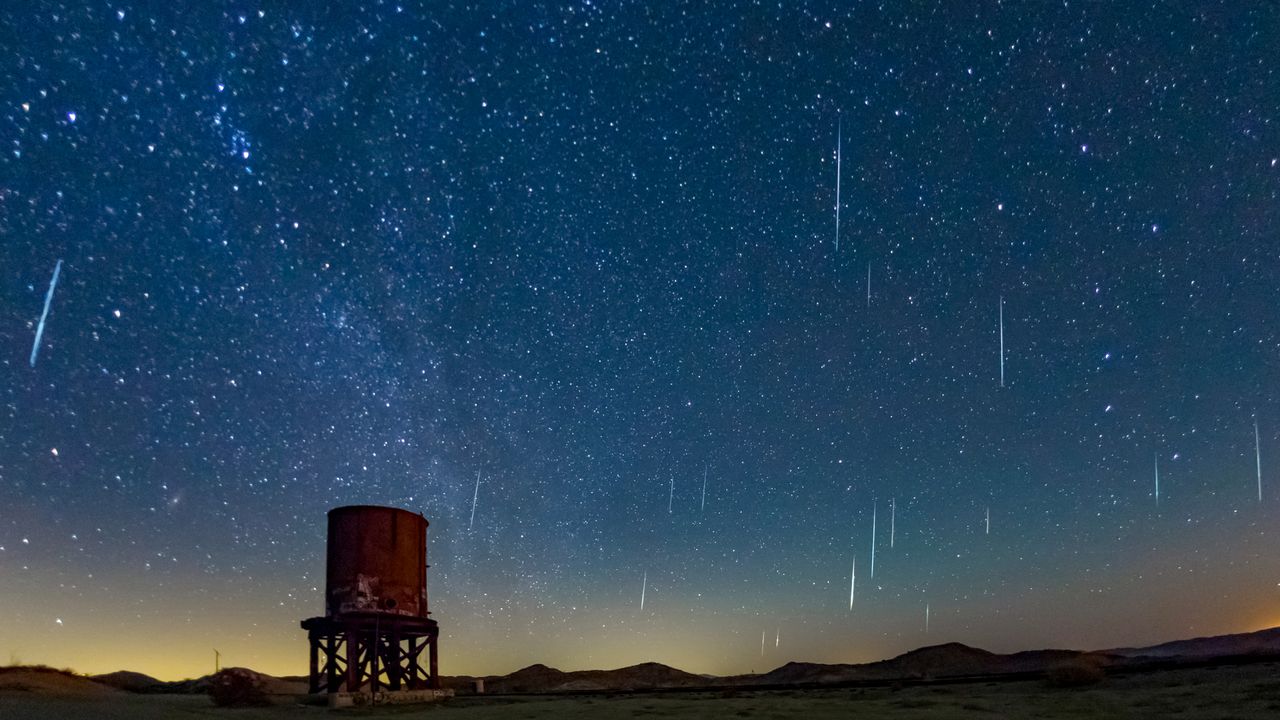
Every year, Earth plows through a stream of debris left behind by the famous Halley's Comet, giving rise to the Eta Aquariid meteor shower. While the comet itself won't be visible again until 2061, its dusty remnants create a spectacular show of swift, bright meteors that seem to radiate from the constellation Aquarius. In 2025, the shower peaks on the nights of May 5–6, but observers must contend with a bright waxing gibbous Moon that will wash out fainter streaks. This guide will help you maximize your chances of seeing these 'shooting stars' despite challenging moonlight, covering everything from timing to location and common pitfalls.
Prerequisites
Before you head out, gather the following essentials:
- Clear skies forecast – check local weather services for cloud cover predictions.
- A dark location away from city lights – a rural park, beach, or mountain spot works best.
- Moon avoidance strategy – since the Moon will be bright, plan to observe before moonrise or position the Moon behind a building/tree.
- Warm clothing and a reclining chair or blanket – you'll be outside for at least an hour.
- Red flashlight – to preserve your night vision (tape a red filter over a regular flashlight).
- Optional: binoculars or a telescope – not needed for meteors (they move too fast), but great for scanning the radiant area before the peak.
- Patience and realistic expectations – moonlight will reduce visible rates by 50–80%.
Step-by-Step Guide
1. Choose the Right Time
The Eta Aquariids are best viewed in the hours before dawn (roughly 2:00 AM to 5:00 AM local time) because the constellation Aquarius climbs higher in the sky. The radiant point rises around midnight, but meteors become more numerous as the morning progresses. In 2025, the Moon sets after midnight, so the darkest window will be from about 3:00 AM until dawn. Use an app like Stellarium or Time and Date to find the exact moonrise/set times for your location.
2. Plan for the Moon Phase
On May 5–6, the Moon will be a waxing gibbous (about 90% illuminated) setting around 3–4 AM. The darker hours after moonset will offer the best contrast. If you cannot stay up that late, try viewing right after moonset – even 30 minutes of Moon-free sky can yield 10–20 meteors per hour under ideal conditions (though moonlight reduces it).
3. Find a Dark Location with an Unobstructed View
Light pollution is your enemy; city glow can hide all but the brightest fireballs. Drive at least 20 miles from urban areas. Look for a spot with a wide, open view of the southeastern horizon – that's where Aquarius rises. Avoid tall trees or mountains that can block the radiant. Use a light pollution map like Light Pollution Map to scout locations.
4. Prepare Your Viewing Setup
Lay a reclining chair or a thick blanket on the ground. Point your body southeast, but do not stare directly at the radiant – meteors appear in all parts of the sky, but are longer and more dramatic when they streak away from the radiant. To reduce neck strain, lie back with a pillow. Turn off all white lights (phones, flashlights) and use only red light to check notes or equipment. Give your eyes at least 20 minutes to fully dark-adapt.
5. Watch and Record (Optional)
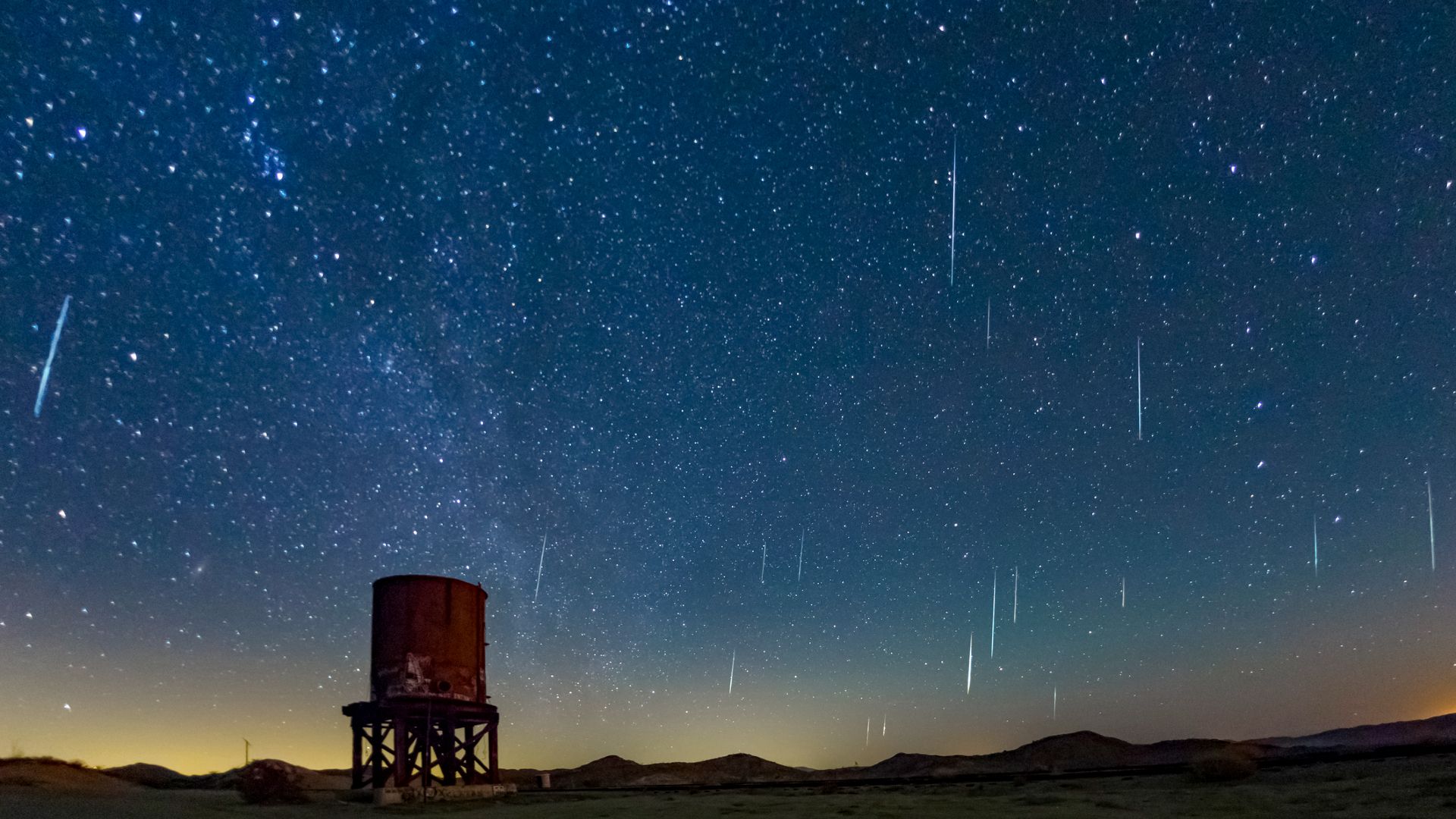
Once settled, relax and scan the sky. Look for fast-moving streaks – Eta Aquariids travel at about 66 km/s (148,000 mph), leaving glowing trails that may last a second or two. Some produce persistent trains (glowing gas left in the wake). To keep track, you can use a simple log:
// Sample JavaScript snippet to log meteor sightings (for use in browser console or a note app)
let meteorCount = 0;
function logMeteor() {
  meteorCount++;
  console.log(`Meteor #${meteorCount} spotted at ${new Date().toLocaleTimeString()}`);
}
// Press a key (e.g., spacebar) to log
window.addEventListener('keydown', (e) => {
  if (e.code === 'Space') { logMeteor(); }
});
You can adapt this code to a simple web page or just use a notepad. But the main goal is to enjoy the show – don't get too lost in data collection!
Common Mistakes
- Looking directly at the radiant – Meteors appear everywhere; focusing on the radiant means you miss the longest streaks. Look about 30–60° away.
- Using white light or checking your phone – A single glance at a bright screen ruins night vision for 20 minutes. Use red light only.
- Ignoring weather and moon phase – Even thin high clouds can hide faint meteors. Check forecasts hourly. Also, a bright Moon can halve your count – plan accordingly.
- Staying only a few minutes – Meteor showers are unpredictable. Minimum observation time is 30 minutes to an hour. Some bursts happen late.
- Forgetting to adjust for your latitude – The radiant is lower in the sky for northern observers (above 40°N), making meteors harder to see. Southern hemisphere gets a better view (up to 60 per hour without moonlight).
Summary
The Eta Aquariid meteor shower offers a chance to witness cosmic debris from Halley's Comet, but the bright 2025 Moon will test your patience. By timing your observation after moonset, choosing a dark site, and following the steps above, you can still catch dozens of swift 'shooting stars'. Remember: avoid looking at the radiant, keep your night vision, and stay warm. Even if only a few bright fireballs appear, the experience of connecting with a comet's legacy is worth the effort.