Breaking: Gowanus Canal's Toxic Past Yields to New Public Spaces
The Gowanus Canal, long notorious as a Superfund site and industrial dumping ground, has just opened two major public waterfront projects—a dramatic step in one of America's most ambitious urban environmental turnarounds. These new spaces, a plaza and esplanade at the 420 Carroll development and a linear park named Sackett Place, signal that decades of cleanup and community activism are finally reshaping Brooklyn's most polluted waterway.
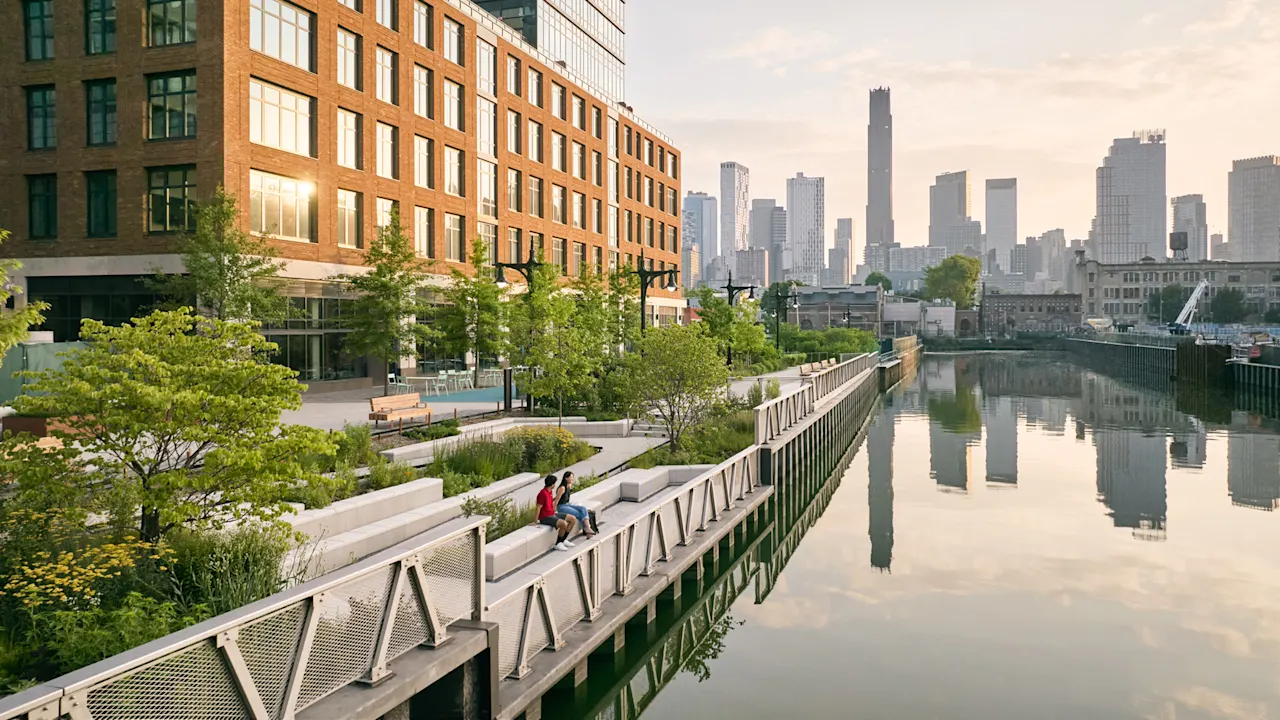
“The Gowanus as an ecosystem and as a neighborhood is so interesting because it is being remade at a systemic level in so many different ways over a relatively short period of time,” said Gena Wirth, design principal at the landscape architecture firm Scape, which designed both projects. Her firm helped craft the 2019 Lowlands master plan that guides the canal’s transformation.
Background: From Toxic Dump to Rezoned Revival
A century of heavy industry left the Gowanus Canal saturated with coal tar, heavy metals, and sewage. The U.S. Environmental Protection Agency designated it a Superfund site in 2010, triggering a federal cleanup expected to cost over $500 million and last into the 2030s.
The 2014 rezoning of 82 blocks along the canal enabled a surge of residential and commercial redevelopment. Community groups such as the Gowanus Canal Conservancy (founded 2006) have pushed for environmental justice, restoring street trees and rain gardens even before the formal cleanup began.
“We have years of experience doing a lot of hands-on stewardship on street trees, rain gardens, and guerrilla gardens throughout the neighborhood,” said Andrea Parker, executive director of the Gowanus Canal Conservancy. “Through that we have developed a very fine-tuned understanding of what biodiversity has existed here and what types of landscapes can really thrive.”
What This Means for Brooklyn and Beyond
These two projects reconnect residents to a waterway that was off-limits for generations. The 420 Carroll plaza wraps two residential towers with native plants and seating, while Sackett Place offers playgrounds, picnic areas, and gardens—all built atop contaminated soil capped with clean fill.
“This Lowlands master plan was really about advocating for positive change and putting forward a vision for the future,” Wirth explained. “It’s been a real estate speculative market for like 40 years. So it’s not under-considered, but it’s now being realized.”
The redevelopment could serve as a model for other Superfund sites nationwide, demonstrating how contaminated urban waterways can be transformed into community assets without sacrificing environmental safety. For current residents, it means higher property values, new jobs, and long-awaited access to the waterfront—though critics warn of gentrification pressures.
Fast Facts About the Gowanus Canal Transformation
- Superfund status: Active since 2010, with dredging and capping ongoing.
- Rezoning: 2014 plan cleared the way for 8,000+ new housing units, 20% of them affordable.
- Two new public spaces: 420 Carroll (plaza + esplanade) and Sackett Place (linear park) opened summer 2024.
- Design firm: Scape Landscape Architecture led both projects and the 2019 Lowlands master plan.
- Key advocate: Gowanus Canal Conservancy, which started grassroots stewardship in 2006.
This article was updated with new information from the Gowanus Canal Conservancy and Scape.