Australia's coal industry often boasts that methane emissions are on the decline, but a closer look reveals that this reduction is largely a mirage. Rather than implementing genuine abatement measures, coal mines have relied on falling production levels, questionable offsets, and accounting sleight-of-hand to create the illusion of progress. This listicle unpacks six uncomfortable facts that show the true state of methane emissions from Australia's coal mines—and why the problem is far from solved.
1. Lower Production, Not Lower Emissions
One of the primary reasons methane emissions appear to be dropping is simply that coal production has fallen. When mines produce less coal, they naturally release less methane—but that has nothing to do with intentional abatement. The decline is a side effect of market conditions, not environmental policy. In reality, the methane intensity per tonne of coal remains stubbornly high, and emissions could soar again if production ramps up. By attributing the drop to environmental progress, the industry masks the true challenge of tackling this potent greenhouse gas at its source.
2. Carbon Offsets: A License to Leak
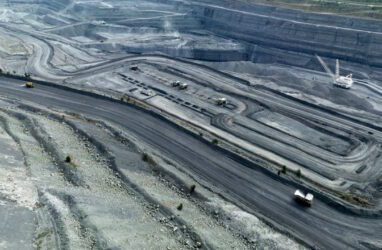
Coal mine operators have turned to carbon offsets to 'neutralize' their methane emissions. They purchase credits from activities like tree planting or renewable energy projects, then claim their net emissions are lower. But offsets are not equivalent to cutting actual methane leaks. Many of these credits are of questionable quality—double-counted, non-additional, or based on dubious baselines. Instead of investing in technology to capture methane before it escapes, companies simply buy their way out of responsibility. This practice allows emissions to continue unabated while the public is led to believe that real action is being taken.
3. Creative Baseline Games
Accounting tricks are another weapon in the coal industry’s arsenal. By manipulating baseline years or changing calculation methodologies, companies can make it look like their emissions are shrinking. For instance, they may select a year with unusually high production as a baseline, then show a decline that is actually just a return to normal. Others reclassify emissions from active mining areas as 'historical' and exclude them from reporting. These accounting contortions hide the fact that methane is still being vented into the atmosphere with little oversight. Regulators have struggled to close these loopholes, leaving the system open to abuse.
4. Fugitive Emissions: The Underestimated Leak
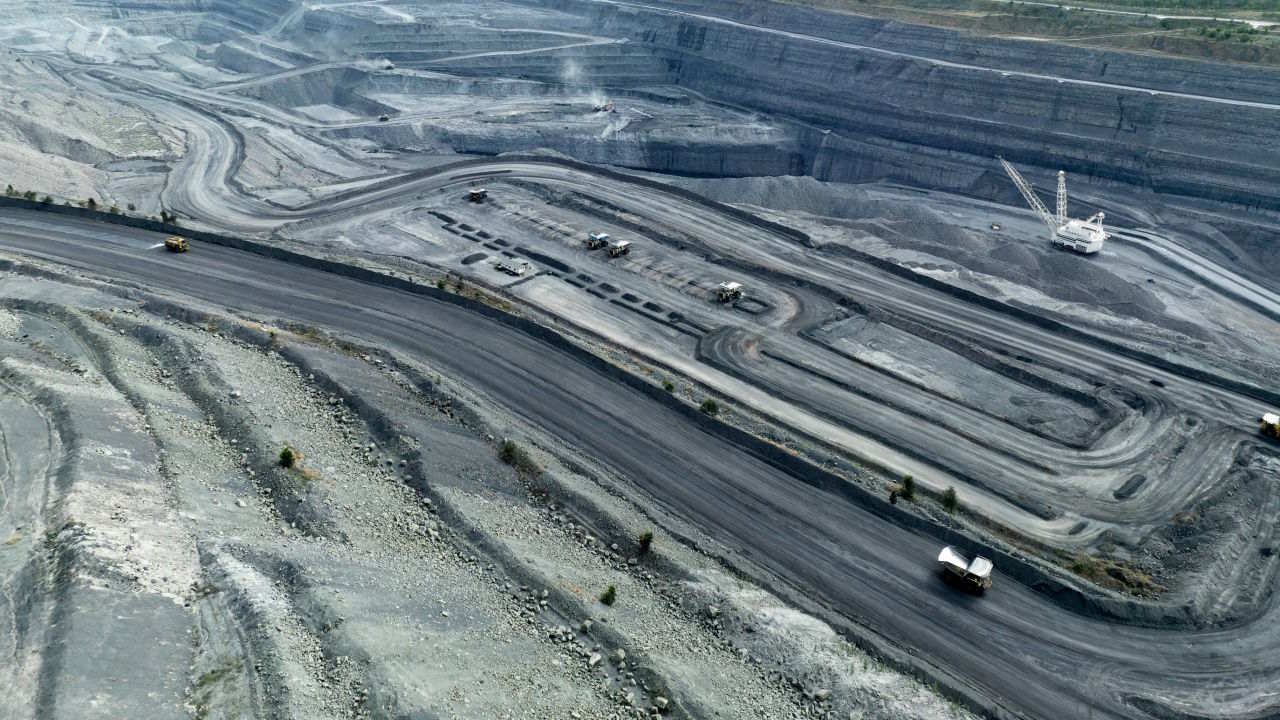
Methane leaks from coal mines are notoriously difficult to measure accurately. Known as ‘fugitive emissions,’ these unintentional releases occur from cracks, vents, and equipment. Official reports often rely on generic emission factors rather than direct measurements, leading to massive underestimation. Independent studies using satellite data and aerial surveys suggest that actual methane emissions from Australian coal mines could be double or even triple the reported figures. This gap means that even if reported numbers are falling, the real impact on the climate may be far worse than acknowledged. Without mandatory, site-specific monitoring, the true scale remains hidden.
5. Australia Lags Behind Global Best Practice
Compared to other major coal-producing nations, Australia stands out for its permissive approach to methane regulation. Countries like Canada and the United States have implemented mandatory methane reduction targets, leak detection programs, and financial penalties for non-compliance. Australia, by contrast, relies heavily on voluntary initiatives and offset markets. This regulatory gap allows coal mines to continue venting methane—which is over 80 times more potent than CO2 over a 20-year period. The result is that Australia’s coal industry contributes disproportionately to near-term warming, undermining international climate commitments.
6. The Urgent Need for Real Abatement
The tricks and offsets described above are not sustainable solutions. Real abatement means deploying proven technologies like methane capture and utilisation systems, which can convert mine methane into electricity or heat. These systems dramatically reduce emissions while generating useful energy. Yet investment remains low because it's cheaper to buy offsets or manipulate data. Policymakers must mandate direct emission cuts, enforce rigorous monitoring, and eliminate accounting loopholes. Until the industry embraces genuine action, Australia’s coal mines will continue to be a major—and hidden—source of methane pollution.
Conclusion: The narrative that Australia’s coal mines are successfully cutting methane emissions is a carefully crafted illusion built on reduced output, dubious offsets, and accounting gimmicks. To make real progress, the industry must stop hiding behind shortcuts and invest in actual emission reductions. Without a shift toward transparent monitoring and mandatory abatement, these hidden methane emissions will undermine global climate goals for years to come. The truth may be uncomfortable, but confronting it is the only path to a cleaner future.