May 2026 is a month packed with celestial highlights. From a meteor shower spawned by the legendary Halley's Comet to a rare Blue Moon, there's something for every sky enthusiast. Whether you're an early riser or a sunset watcher, this guide will help you enjoy the best of the night sky. Here are 10 things you need to know about May 2026 skywatching.
- The Eta Aquarid Meteor Shower Peaks Early
- The Shower’s Origin: Halley’s Comet
- Best Viewing Times and Tips
- May Moon Phase Highlights
- A Stunning Moon-Venus Conjunction
- Why Venus Is Called the Evening Star
- The Blue Moon on May 31
- What “Once in a Blue Moon” Really Means
- Artemis II’s Lunar Legacy
- How to Get the Best Views
1. The Eta Aquarid Meteor Shower Peaks Early
Mark your calendars for May 5 and 6, when the Eta Aquarid meteor shower reaches its peak. Under ideal conditions, you could see up to 50 meteors per hour. These shooting stars are known for their speed—they zip into the atmosphere at about 40 miles per second. Many leave behind glowing trails that linger for a few seconds. However, this year’s bright moonlight may wash out some of the fainter meteors, so try to watch from a dark location away from city lights.
2. The Shower’s Origin: Halley’s Comet
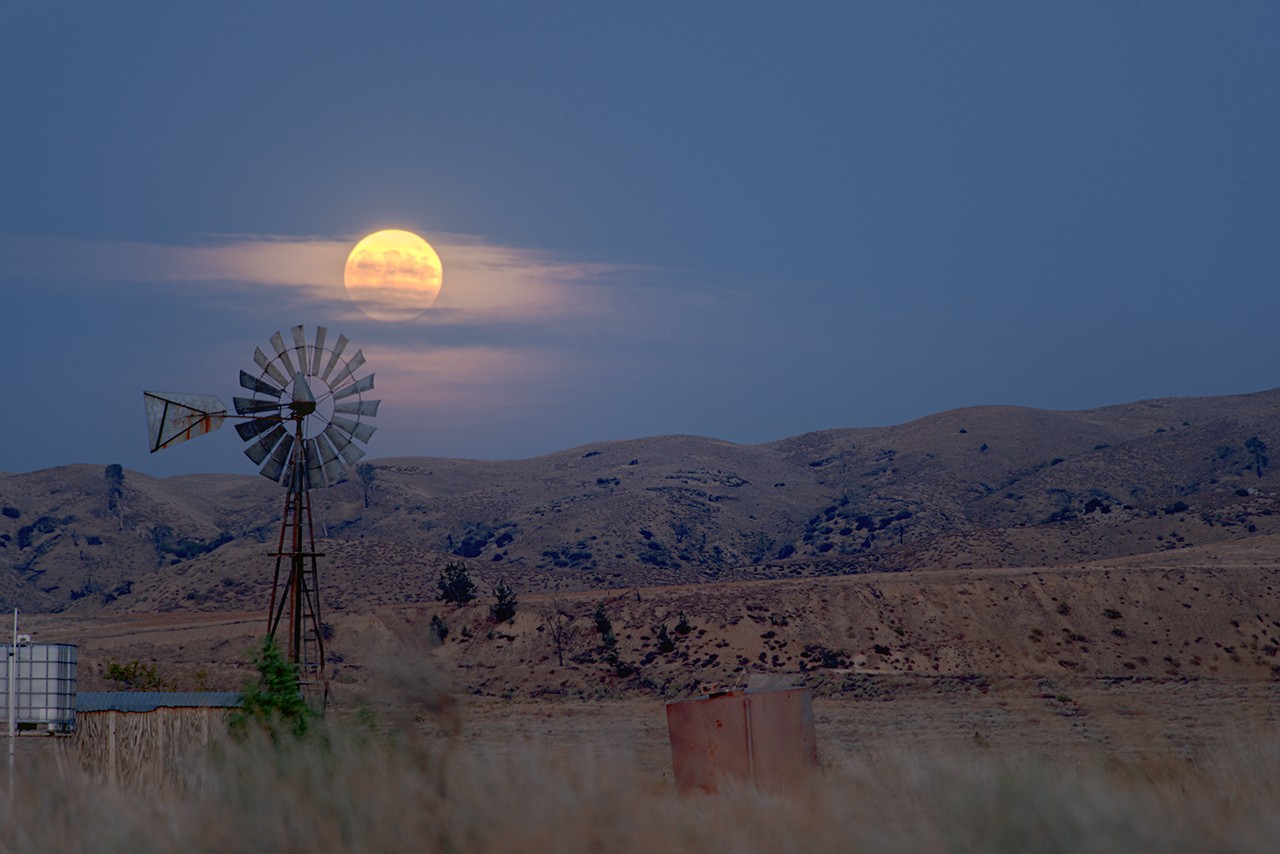
Every Eta Aquarid meteor is a tiny piece of Halley’s Comet. As Earth passes through the comet’s dusty debris trail each year, those particles burn up in our atmosphere, creating bright streaks. Halley’s Comet itself last visited the inner solar system in 1986 and won’t return until 2061. So while you're watching the shower, you're seeing remnants of a cosmic visitor that won’t be back for decades.
3. Best Viewing Times and Tips
For the Eta Aquarids, the best time to look is in the hours before dawn. Face east toward the constellation Aquarius (the shower’s namesake). To maximize your chances, find a dark spot, give your eyes 20 to 30 minutes to adjust, and avoid checking your phone screen. Use a reclining chair or blanket to take in as much sky as possible. Remember, patience is key—meteors come in bursts, so settle in for a relaxing night.
4. May Moon Phase Highlights
The Moon goes through its monthly dance of phases in May. A thin crescent appears in the evening sky early in the month, then grows to first quarter around May 11. The Full Moon arrives on May 31, and it’s a special one (see item 7). For the best meteor viewing, avoid nights around the Full Moon because moonlight outshines faint meteors. Check a lunar calendar to plan your skywatching sessions accordingly.
5. A Stunning Moon-Venus Conjunction
On May 18, look west just after sunset to see a beautiful pairing: the crescent Moon and brilliant Venus shining close together. Venus will appear as a bright “star” beside the lunar crescent. This conjunction is easy to spot even from light-polluted cities. The Moon acts as a guide to find Venus. Though they look side by side, they are actually millions of miles apart in space—a lovely illusion from our viewpoint.
6. Why Venus Is Called the Evening Star
Venus is one of the brightest objects in the night sky, second only to the Moon. After sunset, it often appears as the first “star” to emerge, earning the nickname Evening Star. In May 2026, Venus continues to dominate the western sky after sundown. Its brilliance comes from its thick, reflective cloud cover. If you have binoculars or a small telescope, you might even glimpse Venus’s crescent phase.
7. The Blue Moon on May 31
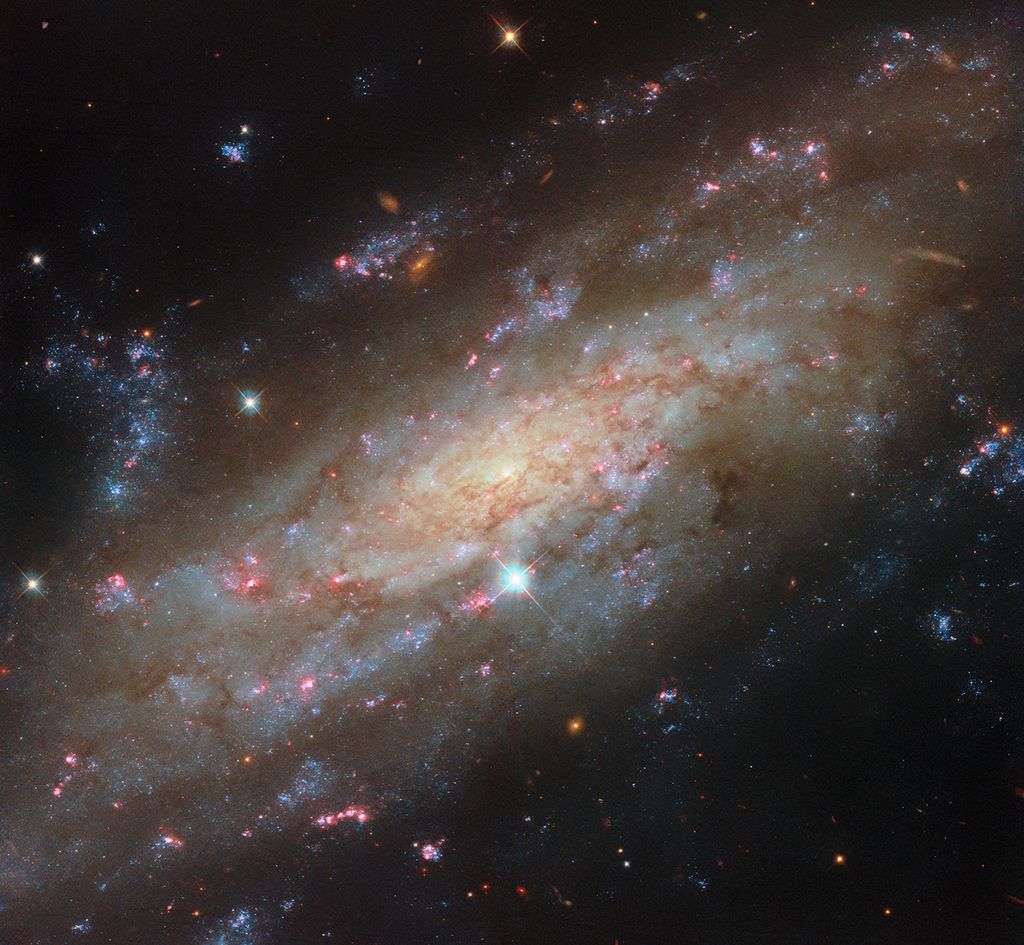
May ends with a rare treat: a Blue Moon on May 31. This term doesn’t refer to the Moon’s color. Instead, it’s the name for the second Full Moon in a single calendar month. Since the lunar cycle is about 29.5 days, having two Full Moons in one month is uncommon. The next one won’t come until a few years later. So on the 31st, step outside and enjoy the brilliant, round face of the Moon—even if it won’t look blue.
8. What “Once in a Blue Moon” Really Means
The phrase “once in a blue moon” means something that happens rarely. Astronomically, a Blue Moon occurs about every 2.5 to 3 years. Some definitions also call the third Full Moon in a season with four Full Moons a Blue Moon. But for 2026, the simple version applies: two Full Moons in May. This event is a perfect excuse to learn a bit of lunar lore and share the view with friends.
9. Artemis II’s Lunar Legacy
Last month, on April 1, NASA’s Artemis II mission launched, sending astronauts around the Moon for the first time in over 50 years. That launch coincided with a Full Moon, symbolically linking human exploration with our celestial neighbor. The mission captured spectacular new images of the lunar surface. As we enjoy May’s skies, we’re reminded that our closest companion is also a destination for future explorers.
10. How to Get the Best Views
To make the most of May’s skywatching, prepare ahead: check local sunset and moonrise times, choose a dark spot away from streetlights, and dress warmly (nights can be cool). For meteor showers, avoid looking at your phone—white light ruins night vision. For planet conjunctions, binoculars can enhance the view. And always remember: the sky is dynamic, so even if you miss one event, another is just around the corner. Happy skywatching!
May 2026 offers a rich tapestry of celestial events. From the swift meteors of the Eta Aquarids to the calm glow of a Blue Moon, there's magic overhead every night. We hope this guide helps you plan your observation sessions and deepen your connection to the cosmos. Keep looking up!