Overview
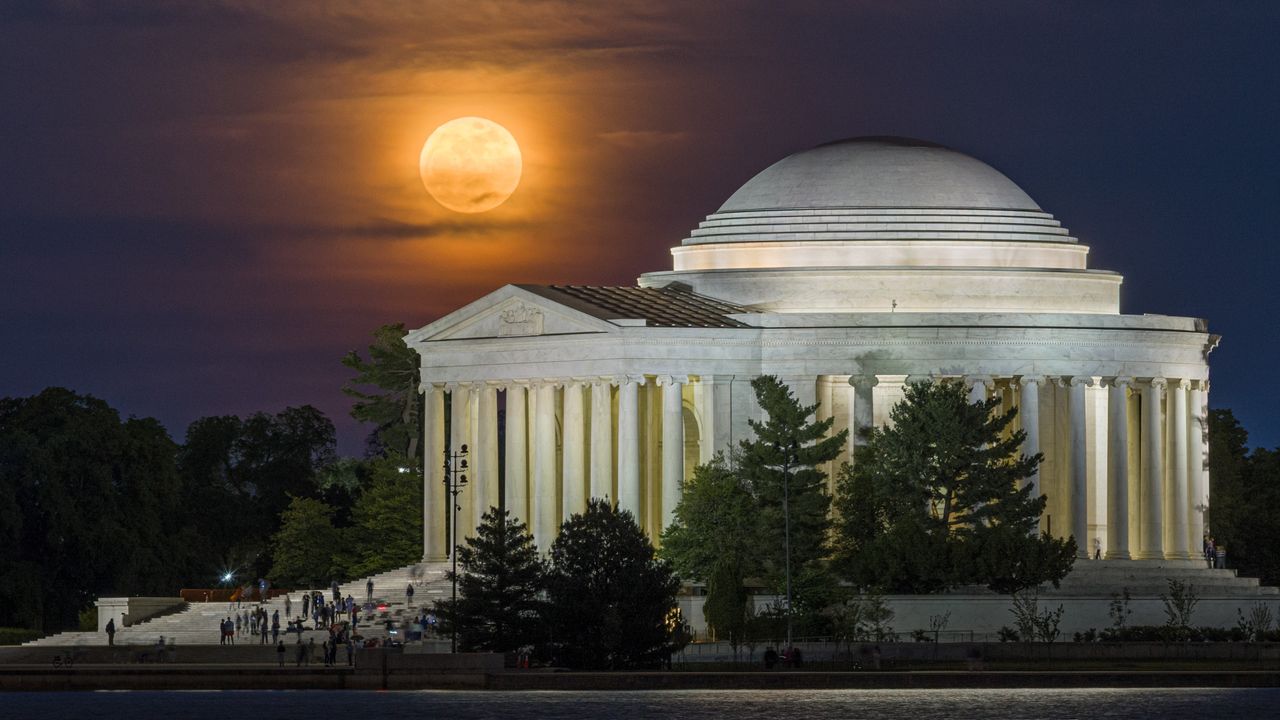
The celestial calendar offers a stunning double feature in May: the full Flower Moon followed by a rare Blue Moon on May 31. This guide will help you not only observe these lunar events but also capture them in gorgeous photos, just like the breathtaking images shared from around the world. Whether you're a seasoned astrophotographer or a curious skywatcher, you'll learn how to plan, set up, and shoot the moon with confidence.
Prerequisites
- Basic camera knowledge (DSLR, mirrorless, or even a high-end smartphone).
- A tripod – essential for sharp, long-exposure shots.
- Patience and clear skies – check local weather forecasts.
- Familiarity with your camera's manual settings (ISO, shutter speed, aperture).
- Optional: a telephoto lens (200mm or longer) for detailed lunar surface shots.
Step-by-Step Instructions
1. Understand the Lunar Event
The Flower Moon is the traditional name for May's full moon, marking the season of blooming flowers. This year, it will be followed by a Blue Moon on May 31 – the third full moon in a season with four full moons (or the second full moon in a calendar month). Blue Moons are rare, occurring every 2.5 to 3 years. Knowing the exact timing (local moonrise and moonset) is key.
2. Plan Your Observation
Use online tools like the U.S. Naval Observatory website or smartphone apps (e.g., PhotoPills, Stellarium) to find precise moonrise times for your location. Aim to start observing at least 30 minutes before moonrise during twilight to capture the moon against a colorful sky.
3. Choose Your Equipment
For photography:
- Camera body – any interchangeable-lens camera with manual modes works.
- Lens – a telephoto lens (100-400mm) for close-ups; a wide-angle (24-70mm) for moon landscapes.
- Tripod – sturdy, with a smooth head for panning.
- Remote shutter release (or use the self-timer) to avoid camera shake.
- Optional: neutral-density (ND) filter if shooting during bright daylight.
4. Camera Settings for Sharp Moon Photos
Since the moon is bright, use the "Looney 11" rule as a starting point:
- Aperture: f/11
- Shutter speed: 1/125s (for full moon) to 1/250s (for brighter phases).
- ISO: 100 or 200 (lowest native ISO for minimal noise).
- White balance: Daylight (5600K) for natural color.
- Focus: Manual – zoom in live view and adjust until craters are sharp.
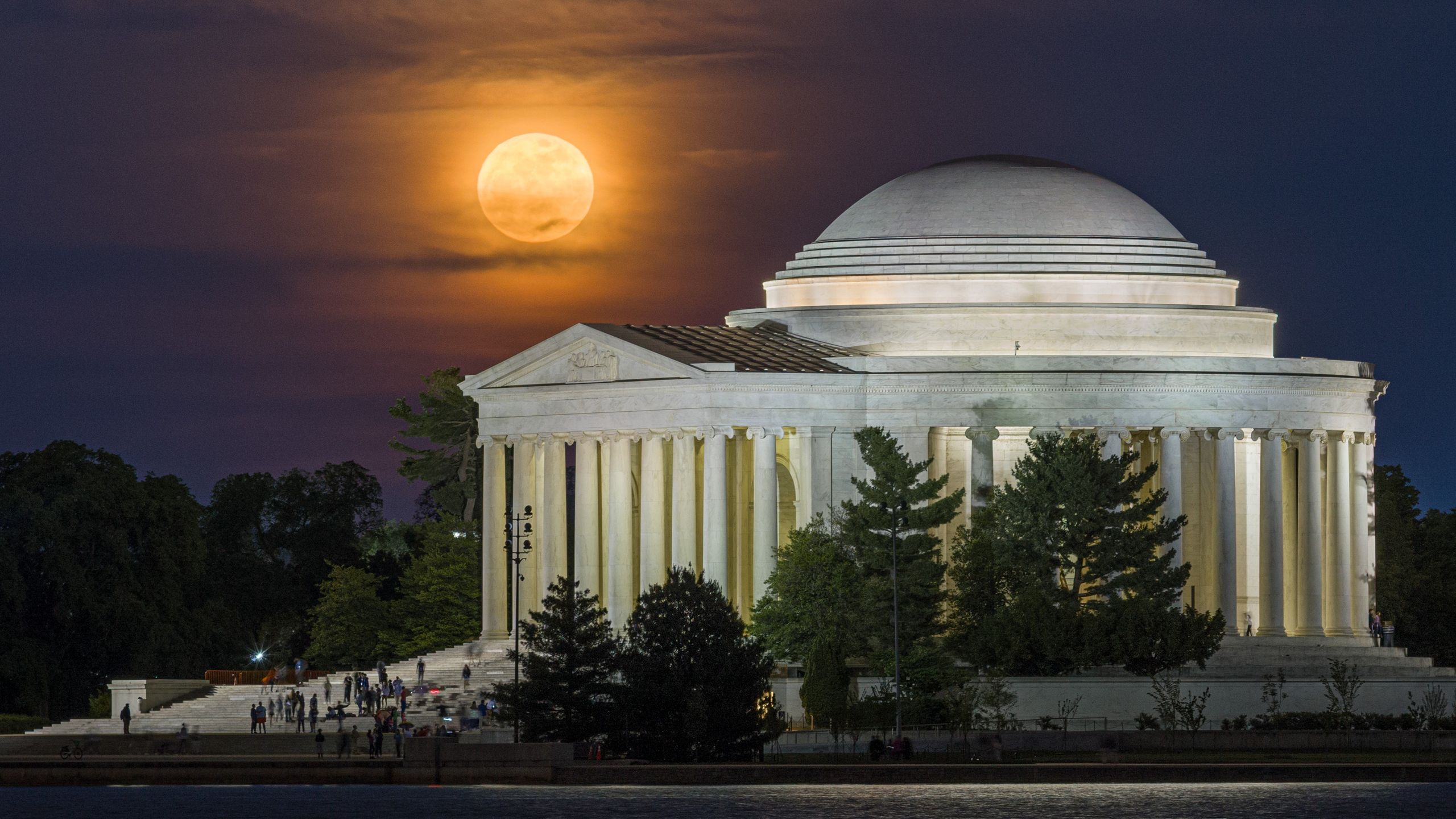
For a landscape shot with the moon, you'll need to blend exposures (moon vs. darker foreground) or use graduated ND filters. Alternatively, take two shots and combine later in post-processing.
5. Composition Tips
- Include foreground elements – trees, mountains, buildings – to add scale and interest.
- Use the rule of thirds – place the moon off-center.
- Capture the moon at low altitude – just after moonrise – when it appears larger due to the moon illusion.
- Timing is everything – plan for civil twilight (sun 6° below horizon) for a deep blue sky.
6. Shooting the Blue Moon
Follow the same settings but note that the Blue Moon may appear slightly dimmer if it's a seasonal Blue Moon (full moon near apogee). Check lunar distance – if it's a "micromoon," increase ISO slightly or lengthen exposure a bit. Also, a Blue Moon isn't actually blue in color; it's just a name. For a true blue tint (rare atmospheric effect), use a cyan lens filter or adjust white balance later.
7. Post-Processing Your Moon Photos
Import your best shots into software like Adobe Lightroom or Photoshop:
- Crop to emphasize the moon and composition.
- Adjust exposure and contrast – boost clarity and dehaze for crater details.
- Reduce noise if you used a higher ISO.
- If blending exposures, layer the sharp moon image over the landscape using masks.
- Sharpen the moon slightly with unsharp mask (radius small, amount moderate).
Common Mistakes & How to Avoid Them
- Overexposed moon – the moon becomes a white blob. Use a faster shutter speed or smaller aperture. Check histogram; highlights should be near the right but not clipped.
- Camera shake – always use a tripod and remote shutter. If wind is strong, weigh down the tripod.
- Wrong focus – autofocus often hunts on bright objects. Switch to manual and use live view magnification.
- Ignoring moonrise time – the moon rises about 50 minutes later each day. Double-check for your exact date and location.
- Not scouting the location – arrive early to compose your shot and avoid last-minute surprises.
- Forgetting the Blue Moon rarity – the name suggests a second full moon in a month, but the exact definition varies. This May event is a seasonal Blue Moon (third of four in a season). Plan accordingly.
Summary
Observing and photographing the Flower Moon and the rare Blue Moon in May is an unforgettable experience. With careful planning, the right equipment, and proper camera settings, you can capture stunning lunar images that rival those seen in global photo galleries. Remember to check local moonrise times, use a tripod, apply the Looney 11 rule, and be patient. The next Blue Moon won't come around for a while, so make the most of this celestial doubleheader.