Introduction
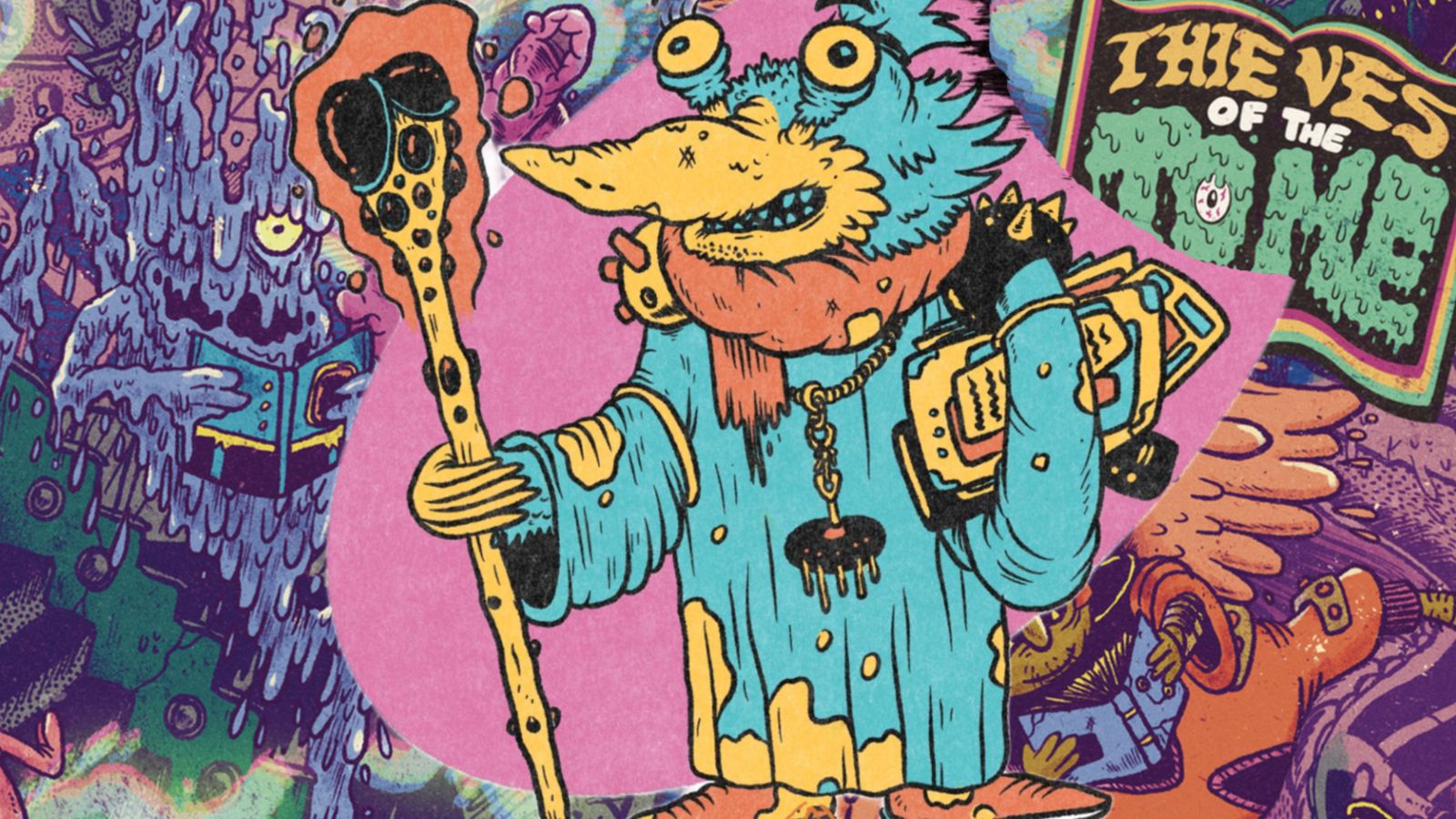
Every Dungeon Master knows that great storytelling doesn't come from thin air—it's built on a foundation of inspiration. Whether it's classic fantasy novels, history books, or even cookbooks, the best GMs draw from a wide array of sources. But what if you could transform that literary fuel into the core mechanic of your game? Enter Thieves of the Tome, an indie TTRPG by George Philbrick (published by First Pancake Studios) that turns real-world books into character abilities, plot devices, and entire settings. This guide will walk you through how to use this innovative game to sharpen your GM skills—making you more adaptable, creative, and confident behind the screen.
What You Need
Before you run your first session, gather these materials:
- Thieves of the Tome rulebook (digital or print)
- At least one real-world book per player—any genre works, but encourage variety (e.g., a novel, a textbook, a poetry collection)
- Dice (standard RPG set: d4, d6, d8, d10, d12, d20)
- Character sheets (provided in the rulebook or downloadable)
- Notebook and pens for taking notes
- A group of 3–5 players (including yourself as GM)
Step-by-Step Guide
Step 1: Understand the Core Concept
Thieves of the Tome is built around real-world books that each player brings to the table. These tomes define everything: your character’s skills, the adventure’s setting, and even the challenges you face. As a GM, this forces you to think on your feet and weave disparate literary elements into a cohesive story. Start by reading the rulebook thoroughly—pay special attention to how book attributes (like page count, genre, or a specific passage) translate into game mechanics.
Step 2: Choose Your First Adventure Framework
Before the session, decide on a loose premise. For example: “The players are thieves hired to steal a magical tome from a library that exists between dimensions.” Keep it simple—the books will provide the wrinkles. Write a few key NPCs and locations, but leave plenty of blanks for the books to fill. This teaches you to improve flexibility as a GM, since you’ll be incorporating player-chosen books into the narrative in real time.
Step 3: Ask Players to Bring Their Tomes
Give your players clear instructions: each must bring one physical book (or a printout of excerpts if digital) to the session. They can choose any book they own—perhaps one that inspires them or reflects a character they want to play. For example, a player who picks Anna Karenina might create a dramatic, love-thwarted rogue. Emphasize that the book should be one they’re familiar with, as they’ll need to reference specific content during play. This step builds player investment and gives you raw material to work with.
Step 4: Create Characters Using the Tomes
During session zero, guide each player through character creation using their chosen tome. Here’s how it works (simplified):
- Each book contributes three attributes based on its genre, page count, and a random passage.
- Players assign these attributes to stats like Stealth, Lore, or Charisma.
- Their character’s special ability comes from a memorable scene in the book—for example, quoting a line can grant a bonus to a persuasion check.
As GM, you’ll need to help interpret the rules and make judgment calls. This hones your ability to adjudicate creatively while keeping the game balanced.
Step 5: Establish the Setting Using the Tomes
Now the real magic happens. Ask each player to describe a location from their book that they want to include in the shared world. For instance, one player might suggest the wintery landscape of The Snow Queen, while another picks the dark alleyways of The Lies of Locke Lamora. Weave these into your adventure’s map. You can even use the books’ chapters to define zones: Page 1-50 is the library entrance, pages 51-100 the forbidden archives, etc. This trains you to integrate disparate ideas into a coherent setting—a critical skill for any GM running sandbox campaigns.
Step 6: Run the Session with Book-Based Mechanics
During play, players can use their books in several ways:
- Skill checks: Opening to a random page gives a modifier depending on the page number or the mood of the text (e.g., “You find a passage with excitement vibes — +2 to your action”).
- Item discovery: Players can “read” their book to find a clue—actually flipping through and pointing to a sentence that becomes a narrative hint (you as GM then interpret it).
- Combat: The book becomes a weapon or shield, with damage determined by its weight and durability (handle with care!).
Your role is to embrace the randomness and turn unexpected passages into plot twists. This builds your improvisation muscles like few other systems can.
Step 7: Adapt the Story on the Fly
As the session unfolds, keep a notepad handy to jot down interesting book passages that players reference. Use those to create new challenges. For example, if a player’s tome mentions a rose garden, the next room in the dungeon might be a labyrinth of thorny roses requiring a Knowledge (Botany) check. This constant adaptation prepares you for any tabletop situation—whether you’re running a published module or a homebrew campaign.
Step 8: Conclude with a Book-Inspired Climax
For the final encounter, combine elements from all the books. If one player brought a fantasy novel and another a memoir, the villain might be a corrupted memory that steals pages from reality. Ask each player to contribute the “final chapter” of their book’s influence—maybe the villain quotes a passage, and the heroes must counter it with a passage from their own book. This collaborative storytelling teaches you to design satisfying resolutions that honor everyone’s input.
Tips for Success
- Start small: Don’t overload your first session. Use only two or three books to keep the game manageable.
- Prep a cheat sheet: Write down how each book’s attributes work to avoid flipping through rulebook pages during play.
- Embrace failure: Not every book passage will produce a perfect narrative. That’s okay—let the chaos lead to memorable moments.
- Variety matters: Encourage players to bring different genres (mystery, sci-fi, biography) to maximize creative conflict.
- Practice active listening: The more you pick up on players’ enthusiasm about their books, the better you can weave those elements into the story.
- Use digital backups: If players can’t bring physical books, allow them to use PDFs or note apps with book excerpts.
- Reflect after each session: Write down what worked—specific passages that ignited the plot or unexpectedly tied together. Use those insights in future games.
By running Thieves of the Tome just once, you’ll emerge a sharper, more resourceful Dungeon Master. The skills you gain—improvisation, collaborative world-building, and mechanical flexibility—will serve you in every RPG you run thereafter. So gather your books, gather your players, and let the pages write your story.