Overview
The United Kingdom has lost its position as the leading contributor to the United Nations' Green Climate Fund (GCF) after announcing it will fulfill only half of its most recent financial commitment. This move, part of broader reductions in climate aid to developing nations, marks a significant shift in global climate financing dynamics and has raised alarms among international aid experts about potential ripple effects.
Background: The Green Climate Fund and the UK's Role
Established under the United Nations Framework Convention on Climate Change, the GCF is the largest dedicated climate fund, channeling grant-based finance to help developing countries mitigate and adapt to climate change. To date, it has overseen over $20 billion in funding across 354 projects and programs. Under the Paris Agreement, developed nations like the UK are obligated to provide climate finance, often through specialized funds like the GCF.
In 2023, the previous Conservative government under Prime Minister Rishi Sunak made a landmark pledge of £1.62 billion ($2.16 billion) to the GCF for the 2024–2027 period. This was hailed as the UK's largest single climate finance commitment and, following the Trump administration's withdrawal of $4 billion in pledged US funds, it propelled the UK to the top of the donor list. However, that status has now been relinquished.
The Pledge Reduction: From Record High to Half
In May 2024, the current Labour government informed the GCF board that it would reduce its commitment to £815 million ($1.1 billion) for the same period. This effectively halves the earlier pledge, making the UK the second major donor—after the United States—to cancel substantial funding. The cut represents roughly a 45% decrease compared to what the UK provided during the previous 2019 funding round, the largest reduction between rounds by any major donor aside from the US.
The decision is part of broader cuts to the UK's overseas aid budget. In March 2024, the government announced plans to spend about £6 billion of its aid budget on climate projects in developing countries over the next three years, but this amounts to roughly halving the UK's annual climate finance compared to previous levels.
Impact on Global Climate Finance
The UK's reduced contribution places it below Germany, France, and Japan in terms of total past and future GCF pledges. A chart from the NRDC GCF Pledge Tracker illustrates this shift, with the UK's dark and light blue bars (representing initial pledges and subsequent replenishments) now lower than those of these other developed nations.
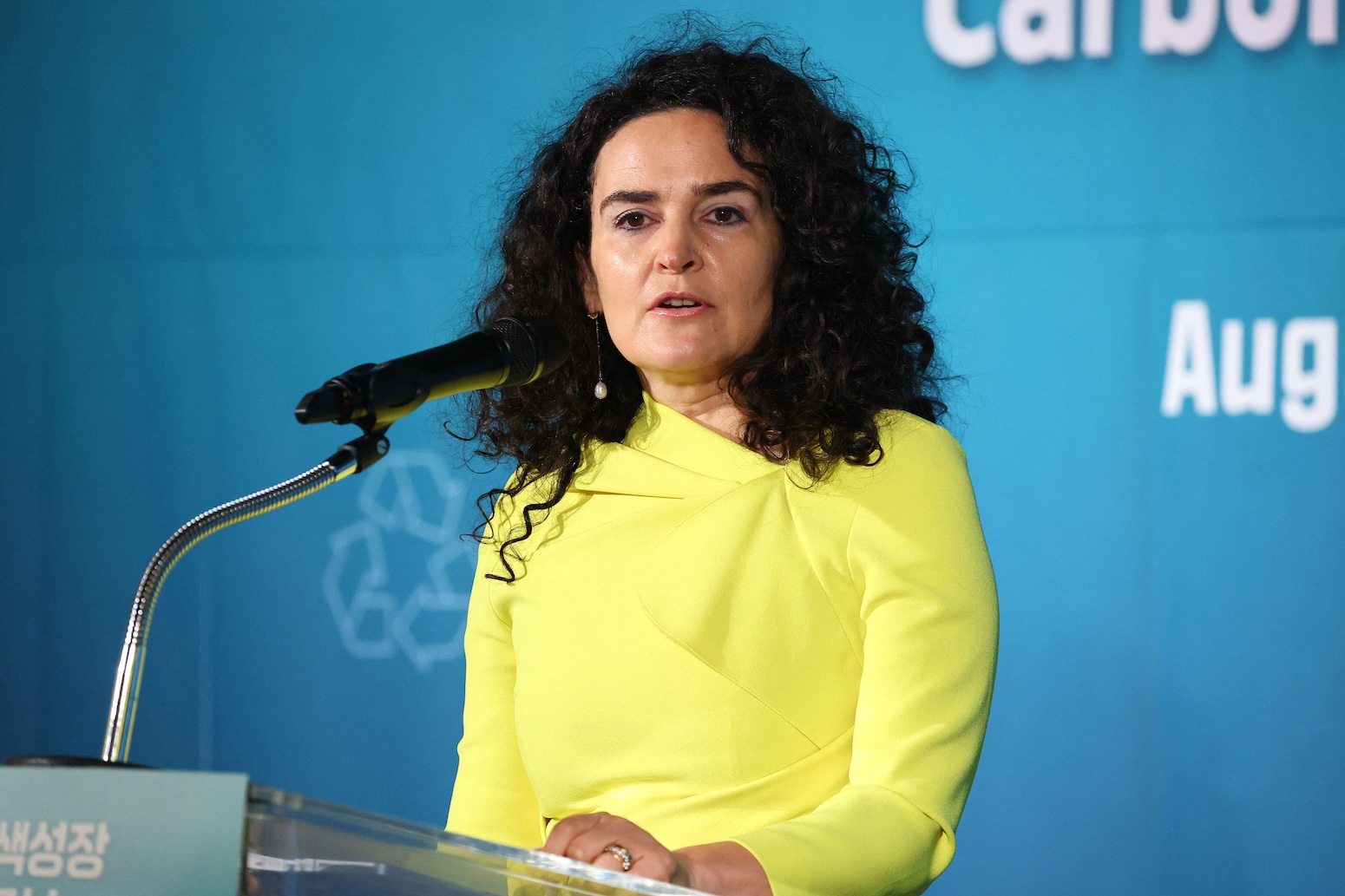
Mafalda Duarte, the GCF's executive director, warned in an email to the board that the UK's actions would have a material impact on project delivery. The fund, which supports numerous climate resilience and clean energy initiatives in vulnerable countries, now faces a significant funding gap.
Reasons Behind the Cuts
According to reports, the UK government justified the reduction by stating a need to invest more in addressing growing security threats. The country's overall aid budget is being redirected, with climate finance taking a hit. This rationale has been met with criticism from development experts who argue that climate change itself is a global security threat and that the UK is backtracking on its commitments under the Paris Agreement.
The cut also follows a pattern of major donors scaling back. The US withdrawal of $4 billion in 2025 was a significant blow, and now the UK's reduction raises concerns that other developed countries might follow suit, undermining the Green Climate Fund's ability to meet its targets.
Implications for Developing Countries and Future Funding
Developing countries, which are most vulnerable to climate impacts but least responsible for emissions, rely heavily on grant-based finance from the GCF. The UK's cut threatens to slow down projects in areas such as renewable energy deployment, coastal protection, and sustainable agriculture. Aid experts worry that this sets a dangerous precedent, potentially triggering a race to the bottom in climate finance pledges.
The Paris Agreement requires developed countries to increase their climate finance over time, but progress has been gradual. The UK's reversal—from record pledge to significant reduction—undermines this principle and could erode trust in international climate negotiations.
Conclusion
Once the top donor to the Green Climate Fund, the UK has now slipped to fourth place after halving its commitment. This decision, driven by domestic security priorities and broader aid cuts, has serious implications for global climate finance and the ability of developing countries to tackle climate change. As the world watches, the GCF must now navigate a challenging funding landscape, while advocates call on other nations to step up and fill the gap left by the UK's retreat.