Introduction
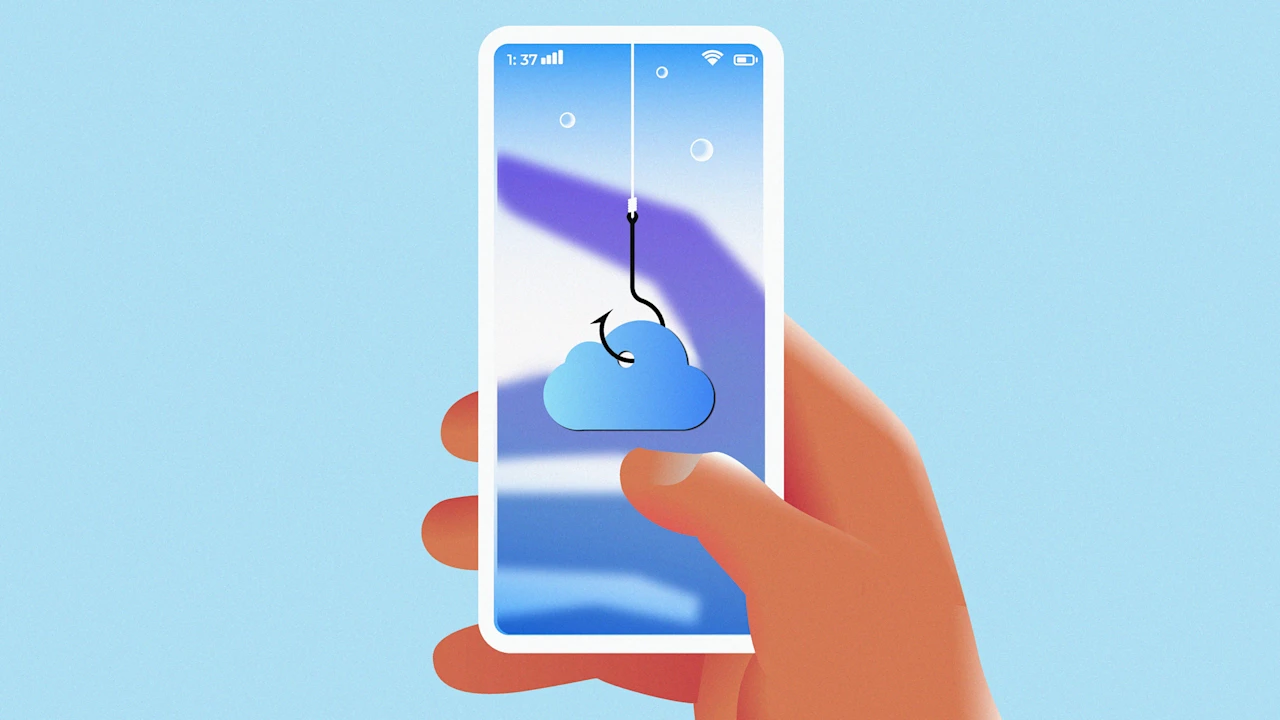
Imagine receiving a text or email that looks exactly like an official Apple notification, warning you that your iCloud storage is full and that you must click a link to upgrade or risk losing your precious photos and videos. This is not a friendly reminder—it’s a sophisticated phishing scam designed to steal your Apple ID credentials, credit card numbers, or even infect your device with malware. Attackers use social engineering, impersonating Apple to gain your trust, then pressure you into acting quickly before you think twice. This guide will show you how to recognize these fake messages, avoid the trap, and protect your personal data.
What You Need
- Your iPhone (or any Apple device) with access to Settings and your Apple ID account.
- Awareness of typical phishing tactics and the willingness to pause before clicking.
- Optional: Two-factor authentication enabled for your Apple ID (highly recommended).
- A secure internet connection to verify your storage status directly through Apple’s official channels.
Step-by-Step Guide to Spotting and Avoiding iCloud Phishing Scams
Step 1: Recognize the Common Signs of a Phishing Attempt
Scammers rely on urgency and fear. Look out for:
- Messages that claim your account is blocked, your payment method expired, or that photos/videos will be deleted by a specific date unless you act immediately.
- Subject lines like “We’ve blocked your account!” or “Payment failed for your Cloud storage renewal.”
- Poor grammar or slightly off-brand language, even if the logo and colors look genuine.
- Unexpected requests to provide passwords, credit card details, or other sensitive information via a link in a text or email.
Remember: Apple will never ask you for your password or payment details through a text message or an email link.
Step 2: Do Not Click Any Links in the Suspicious Message
This is the most critical rule. If you receive an unexpected iCloud storage warning, do not tap or click any button or link in the message. Even if the URL looks legitimate, it likely redirects to a convincing fake website designed to capture your credentials or trigger a malware download. Instead, close the message and verify through a trusted source.
Step 3: Verify Your iCloud Storage Status Using Your iPhone Settings
Apple sends official storage alerts directly within your device’s Settings, not via unsolicited texts or emails. Here’s how to check:
- Open the Settings app on your iPhone.
- Tap your name at the top to access Apple ID.
- Select iCloud. You will see a bar showing your used and available storage.
- Tap Manage Storage for details or to purchase more space.
If your storage is indeed low, you can upgrade safely from within Settings. If the message you received was fake, you’ll see no alerts here.
Step 4: Examine the Sender’s Details and the Message Itself
Scammers can spoof Apple’s name, but there are telltale signs:
- Check the email address: Genuine Apple emails come from apple.com or related official domains (like appleid.apple.com). A slight misspelling (e.g., “appple.com” or “support-apple.com”) signals a scam.
- Look for inconsistencies in the message’s layout or fonts. Real Apple notifications are clean and consistent.
- Hover over any link (on a computer) or long-press a link (on iPhone) to preview the actual URL without opening it. If it looks suspicious, it is.
Step 5: Enable Two-Factor Authentication for Extra Protection
Even if your credentials are stolen, two-factor authentication (2FA) adds a barrier. How to enable it:
- Go to Settings > tap your name > Password & Security.
- Tap Turn On Two-Factor Authentication and follow the prompts.
With 2FA, a scammer would need both your password and a trusted device code to access your account, making phishing much less effective.
Step 6: Report the Phishing Attempt to Apple and Delete the Message
Help others by reporting the scam:
- Forward phishing emails to reportphishing@apple.com.
- If you received a suspicious text message, take a screenshot and file a report with the Federal Trade Commission (or your local authority).
- After reporting, delete the message from your inbox without interacting with it.
Tips for Staying Safe from iCloud Phishing Scams
- Keep your device and apps updated: Apple regularly patches security vulnerabilities. Go to Settings > General > Software Update to ensure you have the latest iOS.
- Use unique, strong passwords for your Apple ID and enable Face ID/Touch ID for extra security.
- Never share your Apple ID password with anyone, even if a message looks official. Apple’s support staff will never ask for it.
- Be skeptical of any message that creates a sense of urgency. Scammers count on you acting before thinking. Take a breath and verify via Settings.
- Consider using a password manager to autofill logins only on legitimate websites, which helps avoid fake lookalikes.
- Educate family members, especially those less tech-savvy, about these scams. A quick reminder can prevent a costly mistake.
Remember: Your Apple ID unlocks access to photos, contacts, financial data, and device backups. A phishing attack can compromise all of that. By following these six steps and staying vigilant, you can outsmart scammers and keep your digital life secure.