The era of injectable weight-loss drugs is evolving rapidly, with Novo Nordisk leading a charge into pill-based treatments that promise greater convenience and market expansion. Recent quarterly results reveal a surge in prescriptions for Wegovy’s oral form, alongside strategic shifts in leadership and product lines. Meanwhile, fierce competition from Eli Lilly intensifies. This listicle unpacks the nine most critical developments that signal a new chapter in the obesity medication landscape—from production dynamics to global rollouts.
1. Novo Nordisk’s First Oral Wegovy Sales Exceed Expectations
In its inaugural earnings report since launching the weight-loss pill, Novo Nordisk posted record prescription numbers: 1.3 million scripts in the first quarter of 2026 alone within the United States. This immediate uptake reflects strong consumer appetite for a non-injectable alternative to the blockbuster GLP-1 drug. The company has now raised its full-year adjusted sales and profit forecasts, signaling confidence that the pill will capture a broader demographic. Unlike earlier concerns, early data suggests that existing injectable users are not simply migrating; instead, the tablet is drawing in new patients who previously avoided shots. For the full breakdown of how this affects competitive dynamics, see Item 5.
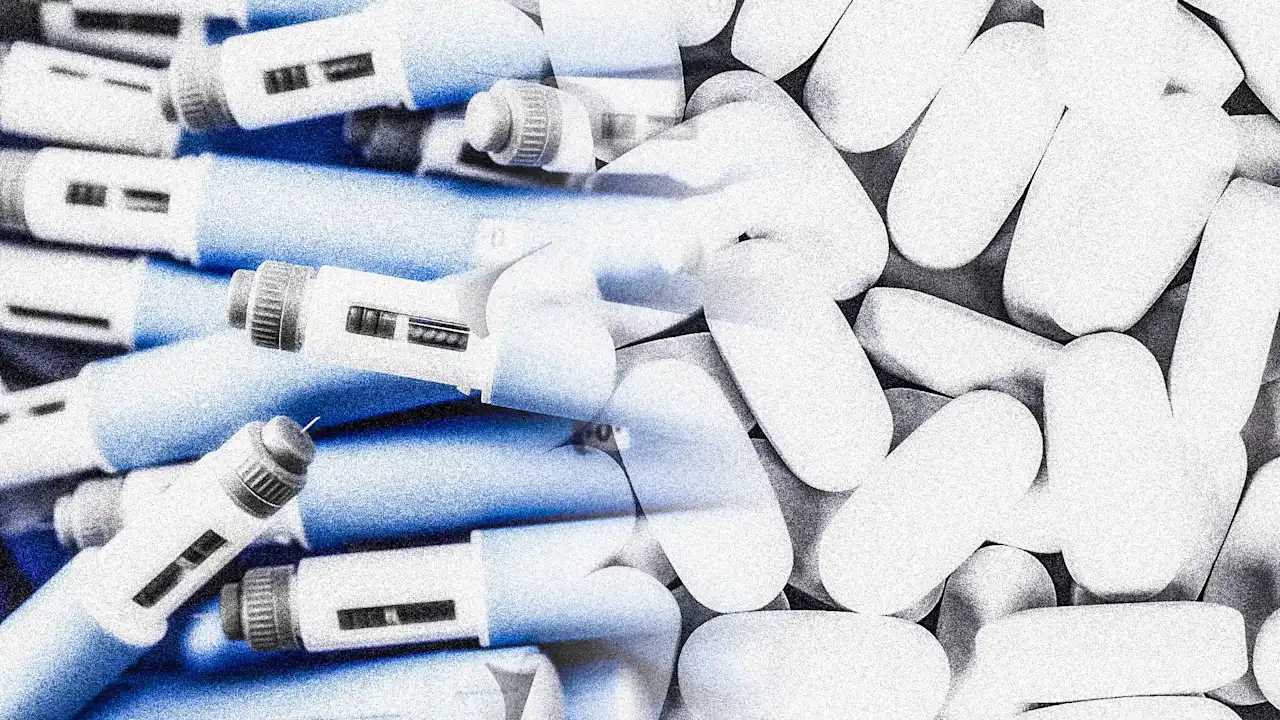
2. Global Expansion of the Pill Begins in Late 2026
Following the strong U.S. debut, Novo Nordisk intends to introduce the Wegovy pill to international markets during the second half of 2026. This rollout is poised to multiply the drug’s addressable population, particularly in Europe and Asia where obesity rates are rising and patient demand for simpler regimens is high. The company’s CEO noted that global demand for oral GLP-1 therapies far exceeds initial projections. Manufacturing capacity is being scaled up to avoid the supply shortages that plagued the injectable version. The move also puts direct pressure on rivals like Eli Lilly, which is racing to bring its own oral candidate to market outside America.
3. FDA Approves High-Dose Wegovy for Accelerated Weight Loss
In March 2026, the U.S. Food and Drug Administration cleared a higher-dose formulation of Wegovy, designed to produce more dramatic weight reduction. This approval allows clinicians to prescribe doses that were previously reserved for clinical trials, potentially increasing average weight loss from 15% to over 20% of baseline body weight. Novo Nordisk CEO Mike Doustdar highlighted that this variant caters to patients with severe obesity who have not responded adequately to lower doses. Early adoption has been robust, with many physicians already swapping patients to the high-dose regimen. This innovation reinforces Novo’s position as a leader in outcome-focused weight management.
4. First-Quarter Financial Results Beat Internal Projections
Novo Nordisk’s Q1 2026 revenue surged 32% on a constant currency basis, while operating profit jumped 65%—both figures outstripping the company’s own conservative estimates. On an adjusted basis (excluding one-time items), sales dipped 4% and profit fell 6%, but these declines were milder than forecast. The better-than-expected performance was driven by the pill launch and increased demand in international operations. As a result, the company now forecasts a decline of between 4% and 12% for full-year adjusted sales and profit—an improvement from the earlier prediction of 5% to 13%. Investors responded positively, pushing shares up more than 5% on the report day.
5. The Pill Expands the Market Rather Than Cannibalizing Injectable Sales
A key worry for Novo Nordisk was that an oral version of Wegovy would simply replace existing injectable users, reducing overall revenue growth. However, early indicators point to a “synergetic effect,” as CEO Doustdar explained in an interview. The pill appears to attract patients who were reluctant to use needles, thereby expanding the total treatable population. At the same time, adherence has remained high among injection users, many of whom appreciate the weekly dosing schedule. The net result is a larger overall pie for the company, with both forms complementing each other. This dynamic is crucial for understanding Novo’s competitive positioning as discussed in Item 8.
6. Novo Nordisk Stock Struggles to Regain Previous Highs Despite Positive News
Despite the promising quarter, Novo Nordisk’s shares remain well below the peaks reached in 2024, when GLP-1 mania sent valuations soaring. Over the past twelve months, the stock has slumped considerably as production challenges and competition weighed on sentiment. The recent 5% uptick following the earnings beat has not been enough to recapture former glory. Meanwhile, rival Eli Lilly’s shares have climbed steadily, reflecting investor confidence in its growing portfolio. Novo’s continued dependence on a single drug class and lingering supply issues are partly to blame. For a deeper look at the competitive threat, continue to Item 7.
7. Eli Lilly’s Oral Pill Foundayo Poses a Direct Competitive Threat
In April 2026, Eli Lilly launched its own weight-loss pill, Foundayo, directly challenging Novo’s oral Wegovy. Lilly’s candidate has shown comparable efficacy in trials and benefits from the company’s established marketing infrastructure. This rivalry marks a significant escalation in the GLP-1 race, as both companies now compete in both injectable and oral formats. Lilly’s stock has been on an upward trajectory, partly due to anticipation of Foundayo’s release. Novo’s earlier production missteps—leading to compounding pharmacy alternatives—gave Lilly an opening to capture market share with its injectable Zepbound. Now, the battle extends to pills, and the outcome will shape the future of weight-loss pharmacotherapy.
8. Leadership Change: New CEO Mike Doustdar Takes the Helm
To navigate the shifting landscape, Novo Nordisk replaced longtime CEO Lars Fruergaard Jørgensen last year with Mike Doustdar. Jørgensen guided the company through the Ozempic boom but was criticized for supply chain failures that allowed competitors to gain a foothold. Doustdar, a veteran insider, has prioritized manufacturing expansion and oral formulation development. His early tenure has been marked by the successful pill launch and a renewed focus on international growth. The leadership transition signals a strategic pivot from reliance on the injectable blockbusters to a more diversified portfolio that includes both shots and tablets. Investors are watching closely to see if Doustdar can restore Novo’s market dominance.
9. Compounding Pharmacies and Production Challenges Remain a Concern
The overwhelming demand for Wegovy and Ozempic initially outstripped Novo’s manufacturing capacity, leading to widespread shortages. This gap allowed compounding pharmacies to produce unofficial versions of the drugs, eroding Novo’s sales and causing safety concerns. Although new production lines have been added and the pill reduces some capacity strain, the company still faces periodic supply constraints. The FDA has cracked down on some compounders, but the problem persists. Novo’s ability to maintain consistent supply is critical to preventing further market share losses. The long-term solution includes both expanded internal production and partnerships with contract manufacturers—a strategy that will take years to fully realize.
In conclusion, the weight-loss drug market is undeniably moving beyond the Ozempic era, with oral formulations, high-dose options, and new competitors reshaping the landscape. Novo Nordisk’s recent successes with its Wegovy pill demonstrate strong demand, but challenges from Eli Lilly and lingering supply issues keep the race tight. As these nine developments show, the next phase of obesity treatment will be defined by convenience, efficacy, and strategic execution—not just first-mover advantage. Investors and patients alike should watch closely for further shifts in this dynamic sector.