The Orion Flywheel: Keeping Artemis Astronauts Fit on the Journey to the Moon
Ryan Schulte leads NASA's Orion flywheel project, developing a compact exercise device used on Artemis II. The flywheel provides aerobic and resistance workouts without power, addressing spaceflight health challenges.
As NASA prepares for humanity's return to the Moon, the agency is ensuring that Artemis astronauts stay healthy and strong during their deep-space voyages. A key piece of equipment is the Orion flywheel—a compact exercise device that provides a full-body workout without using any spacecraft power. Behind this innovative machine is Ryan Schulte, the Orion flywheel project manager at NASA's Johnson Space Center. He led the team that designed, built, tested, and flew the flywheel on the historic Artemis II mission, and they're now developing an even more reusable version for future flights. In this Q&A, we explore how the flywheel works, the challenges of building it, and why it's critical for crew health.
Who is Ryan Schulte and what is his role in the Artemis program?
Ryan Schulte is the Orion flywheel project manager at NASA's Johnson Space Center in Houston. In this role, he oversees a team responsible for designing, building, testing, and operating the flywheel exercise device used aboard the Orion spacecraft. The flywheel was first flown on Artemis II, the mission that took four astronauts on a 694,481-mile journey around the Moon. Schulte's team not only developed the device for that historic flight but is also working on a fleet of more reusable exercise devices for future Artemis missions. "What we're doing with this exercise device has a direct impact on the crew's safety, health, and their mission success," Schulte says. He feels lucky to work on hardware that the crew uses and benefits from every day, noting the direct connection between his team's work and astronaut well-being.
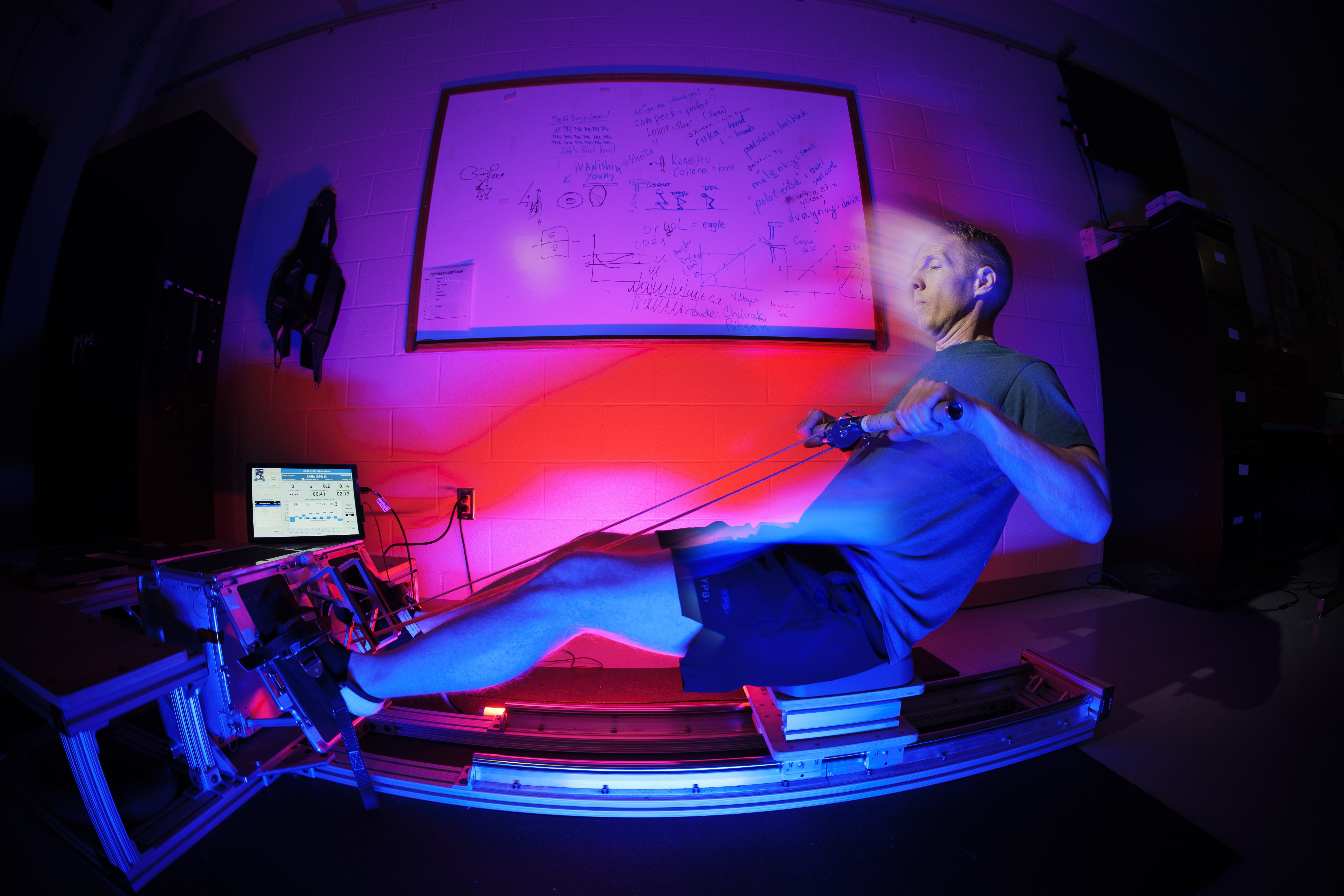
What is the Orion flywheel and how does it work?
The Orion flywheel is a compact, multi-functional exercise device about the size of a large shoebox. It provides astronauts with a wide range of aerobic and resistive workouts without requiring any electrical power from the spacecraft. "It works kind of like an inertial yo-yo," explains Schulte. The user selects different gear ratios to adjust resistance levels, and the flywheel can provide up to 500 pounds of resistance—all dependent on how much effort the person puts in. With this single device, crew members can perform squats, deadlifts, bent rows, high-pulls, curls, heel raises, and aerobic rowing. This versatility is crucial in the cramped quarters of a spacecraft, where every piece of equipment must serve multiple purposes.
Why is exercise so important for astronauts on deep-space missions?
During long-duration spaceflight, astronauts face significant physiological challenges due to microgravity. Without regular exercise, they experience muscle atrophy, bone density loss, cardiovascular deconditioning, and changes in vision. The flywheel helps counteract these effects by providing both aerobic and resistance training, which maintains muscle strength, bone health, and overall fitness. Additionally, exercise has proven mental health benefits, reducing stress and improving sleep quality during the isolation of space travel. On Artemis II, the crew used the flywheel daily to stay in peak condition throughout their 10-day mission. As NASA plans for longer journeys to the Moon and eventually Mars, reliable exercise equipment becomes even more critical for ensuring crew safety and mission success.
What were the biggest challenges in developing the flywheel for Orion?
Schulte's team faced several unique challenges when designing the flywheel for the Orion spacecraft. The most significant was fitting all the necessary mechanics into a compact box roughly the size of a large shoebox—every cubic inch of space on Orion is accounted for. Additionally, crew mobility inside the capsule is limited, requiring the device to be usable in tight quarters. Another major hurdle was reducing noise generation. During workouts, astronauts need to communicate clearly with each other and with mission control, so the flywheel had to operate quietly. The team also had to ensure the device could withstand the vibrations and G-forces of launch and landing while still functioning flawlessly in microgravity. Solving these problems required innovative engineering and extensive testing to create a reliable, crew-friendly exercise system.
How does the crew use the flywheel during a typical mission?
On Artemis II, the four astronauts incorporated the flywheel into their daily routines. Because it requires no electricity, they could use it anytime—even during critical mission phases when power is needed elsewhere. The device offers both aerobic rowing and resistance exercises like squats, deadlifts, bent rows, high-pulls, curls, and heel raises. Crew members can select different gear ratios to adjust resistance up to 500 pounds, depending on their personal fitness goals. The workout intensity is entirely self-driven: the more effort they put in, the more resistance the flywheel provides. This adaptability allows each astronaut to tailor their exercise to their specific needs, whether they're maintaining strength or focusing on cardiovascular health. Schulte notes that the crew found the flywheel intuitive and easy to use, which was essential for maintaining compliance with their exercise regimen throughout the mission.
What are the future plans for the flywheel on Artemis missions?
Building on the success of the Artemis II flywheel, Schulte's team is now developing a fleet of more reusable exercise devices for future missions. The goal is to create a system that can be easily serviced and reused across multiple flights, reducing costs and increasing sustainability. Ongoing improvements focus on making the device even more compact, quieter, and easier to maintain. The team is also exploring ways to integrate the flywheel with other spacecraft systems, such as using the generated energy for small tasks. As NASA pushes toward regular lunar missions and eventually Mars, the flywheel will evolve to support longer-duration flights with larger crews. Schulte emphasizes that each iteration will prioritize crew health and safety, ensuring astronauts can perform at their best even after months in space.